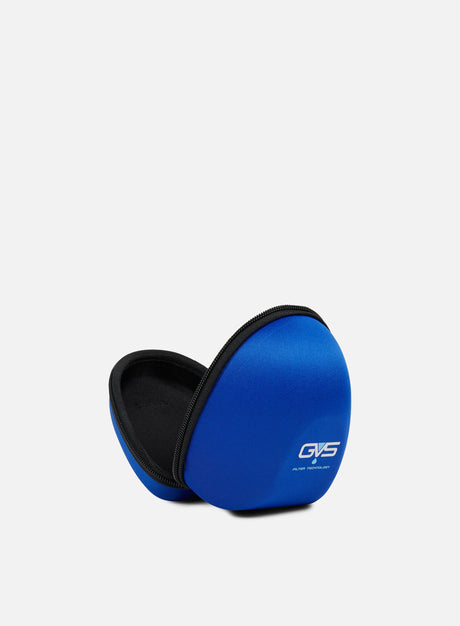
Professional Graffiti Respirators: Non-Negotiable Protection
Professional paint respirators are a non-negotiable safety requirement when using Graffiti Spray Cans. The atomization process releases two primary threats: solid particulates (pigment and binder dust) and volatile organic compounds (VOCs) from the solvents. Even when using Water Based Spray Cans, which have fewer solvents, the air is still filled with fine paint particles that can cause long-term lung damage. A proper respirator provides a two-stage defense, trapping these particles while neutralizing harmful vapors, ensuring that what you breathe remains clean. This is a fundamental component of personal protective equipment, just as crucial as Graffiti Gloves.
Half-Mask Respirators: The Standard for Safe Spray Painting
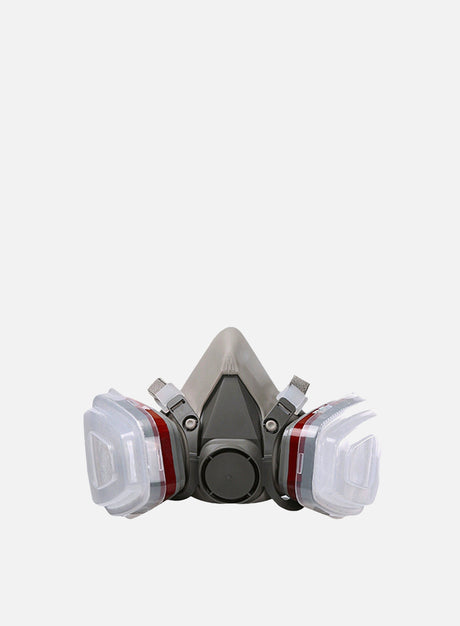
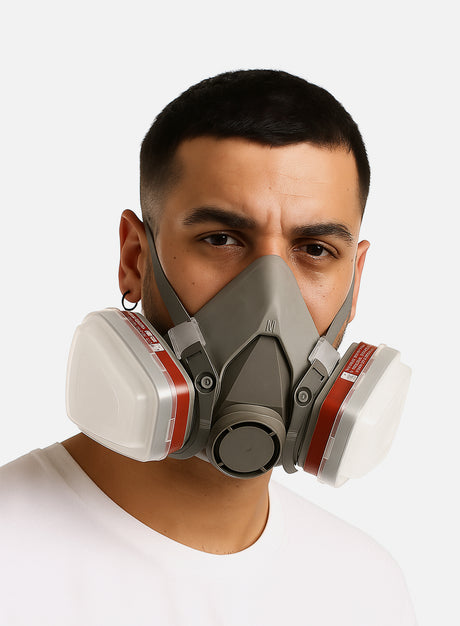
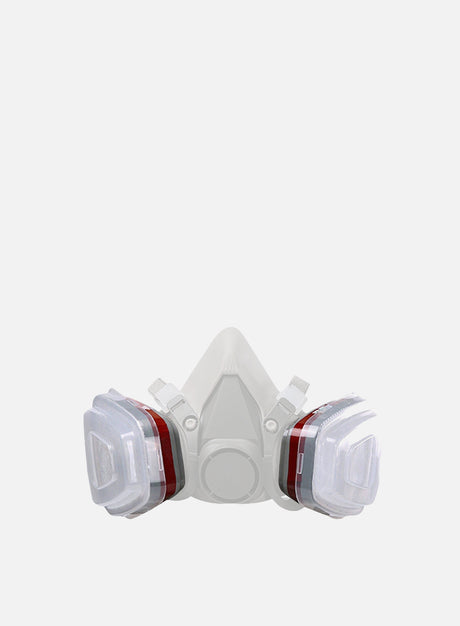
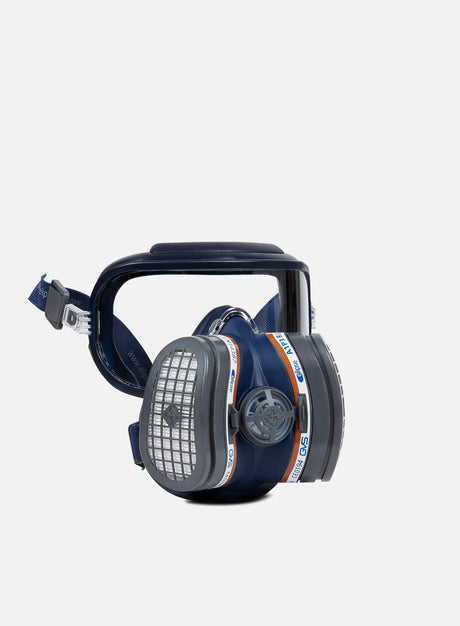
The half mask respirator is the industry standard for graffiti due to its perfect balance of protection, comfort, and mobility. Unlike bulky full-face models, a half-mask covers only the nose and mouth, providing a secure seal without obstructing vision. This design is ideal for active work in dynamic environments. Models like the SPECTRUM Aero 6K Mask are engineered with lightweight materials and an ergonomic fit, allowing for extended use without causing fatigue. These reusable respirators feature replaceable filter cartridges, making them a sustainable and cost-effective solution for regular use. Their low-profile build ensures they don't interfere with other gear, such as glasses or headwear.
Understanding Filter Technology: Protection from Vapors and Particulates
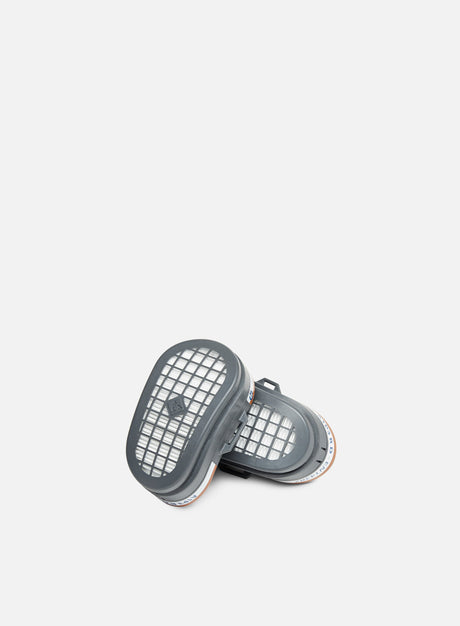
The effectiveness of a spray paint mask depends entirely on its filter technology. Professional filters are typically classified with a letter and a number (e.g., A1P3). The "A" rating indicates protection against organic gases and vapors (solvents), while the "P" rating signifies protection against particulates (dust, mist). The number indicates the filter's capacity and efficiency. An A1P3 filter, for example, provides a high level of protection against both threats, making it the best mask for spray painting applications. This dual-action system is essential, as filtering only particulates while ignoring solvent vapors leaves you exposed to significant health risks.
The Science of Activated Carbon: How Our Respirators Trap Solvents
The technology behind vapor filtration in gas masks is the activated carbon filter. Activated carbon is treated to create a vast network of microscopic pores, dramatically increasing its surface area. When solvent vapors pass through the filter, their molecules are trapped on this surface through a process called adsorption. This chemical bond effectively neutralizes the harmful VOCs before they can be inhaled. It is this mechanism that allows a compact half mask respirator to provide robust protection against the invisible chemical threats present in solvent-based spray paint, ensuring the air you breathe is free from toxic compounds.
Maintaining Peak Performance with Replaceable Filter Cartridges
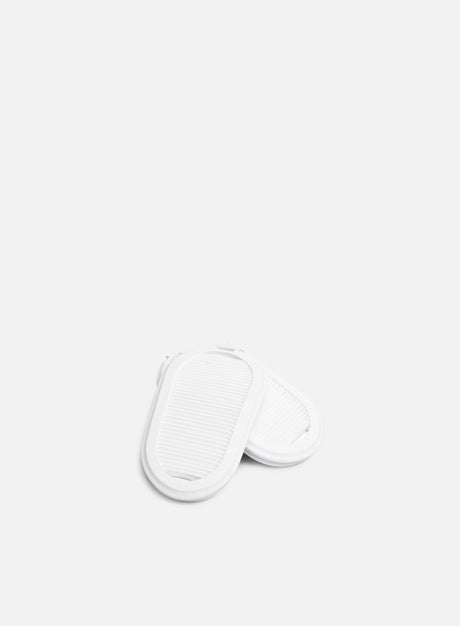
Reusable respirators maintain their effectiveness through the use of replaceable filter cartridges. Both particulate and activated carbon filters have a finite lifespan; once saturated, they can no longer trap contaminants effectively. The replacement schedule depends on the concentration of pollutants and frequency of use. A tell-tale sign that a carbon filter needs changing is when you begin to smell solvents through the mask. To ensure your gear is always performing at its peak, having a backup like the SPECTRUM Aero 6K Filters Kit on hand is a professional standard. Regular filter replacement is not just maintenance—it's a critical safety procedure.
A Pro's Guide to Choosing the Right Respirator for Your Work
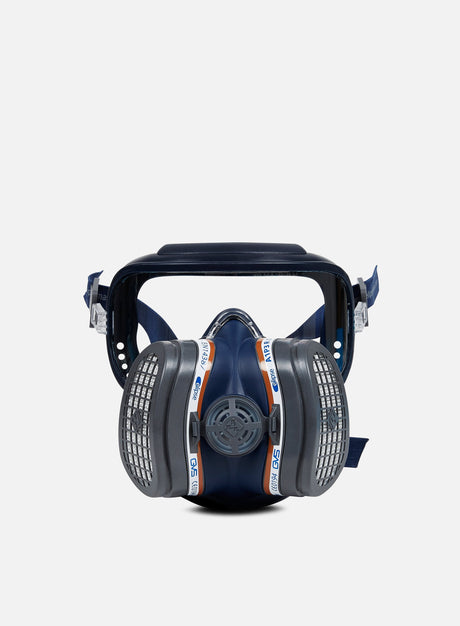
Selecting the right graffiti respirator mask depends on the application. For quick, outdoor sessions or work involving minimal spray dust, a high-quality valved FFP2/FFP3 mask like the Aero 2K Mask may suffice for particulate protection. However, for any prolonged indoor work or sessions involving solvent-based paints, a half-mask with combined A-rated (vapor) and P-rated (particulate) filters is the non-negotiable minimum. For total protection, especially in poorly ventilated spaces, a full-face mask is recommended. The right safety masks should always be part of a complete setup, including Graffiti Protective Clothing.