A Guide to Professional Graffiti Markers
Professional graffiti markers utilize either pigmented paint or dye-based ink for various applications. The category encompasses several engineered delivery systems, including valve-action markers for precision, high-flow squeezers for aggressive output, and solid sticks for all-surface performance. These instruments are designed to deliver a vibrant, permanent line on nearly any substrate, from metal to plastic. The selection of a specific tool is a technical decision dictated by the desired application, where coverage, durability, and finish are the critical performance metrics.
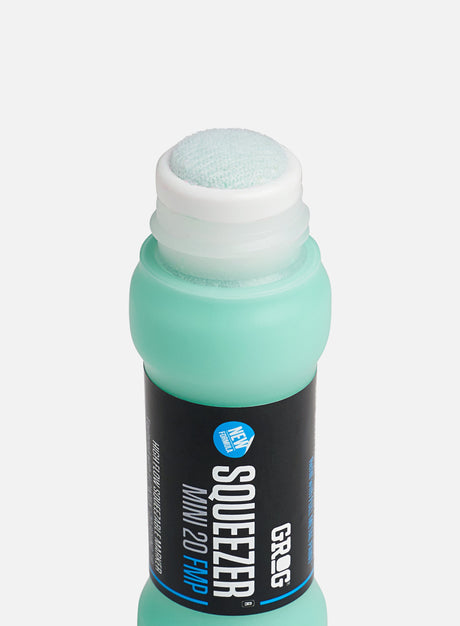
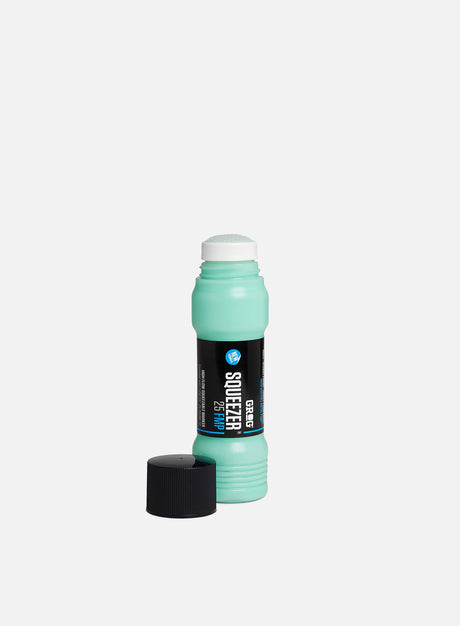
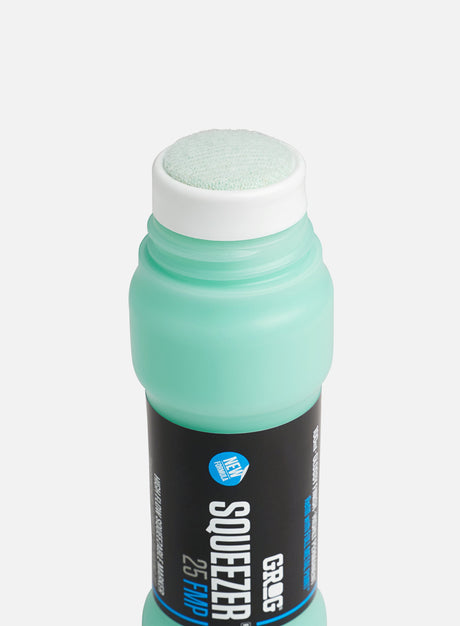
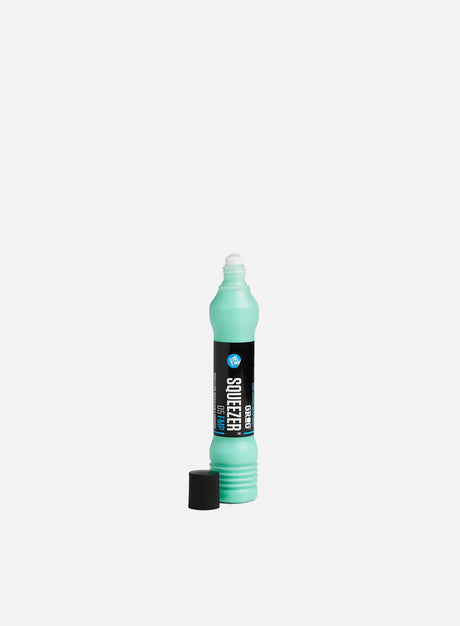
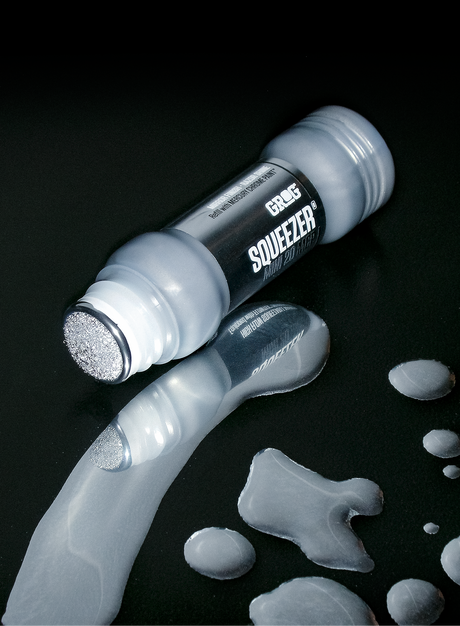
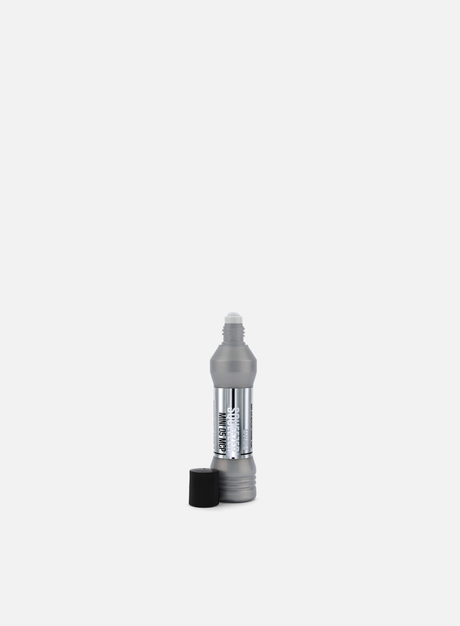
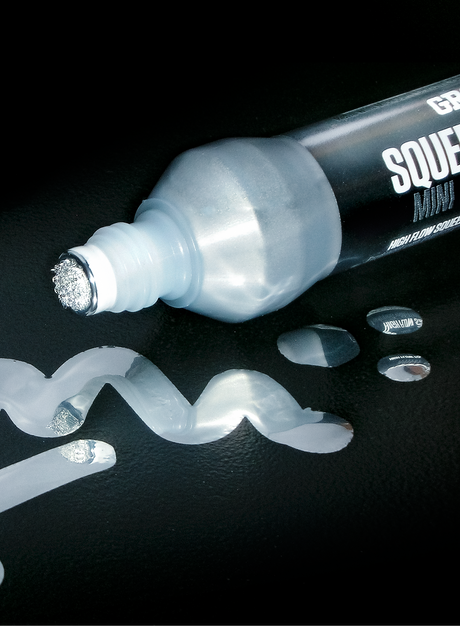
Squeeze Markers: The Definitive Tool for High-Flow, Drippy Handstyles
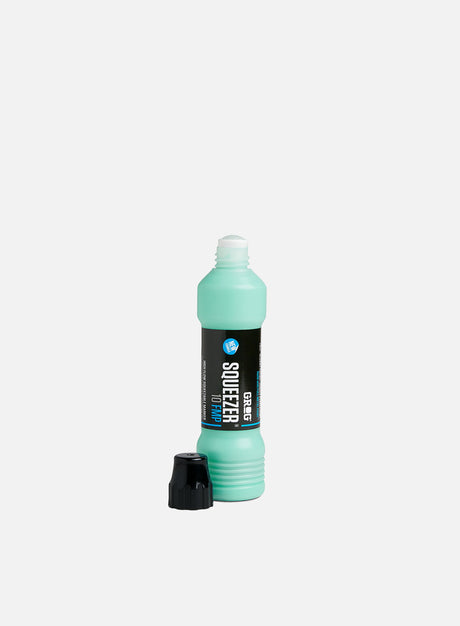
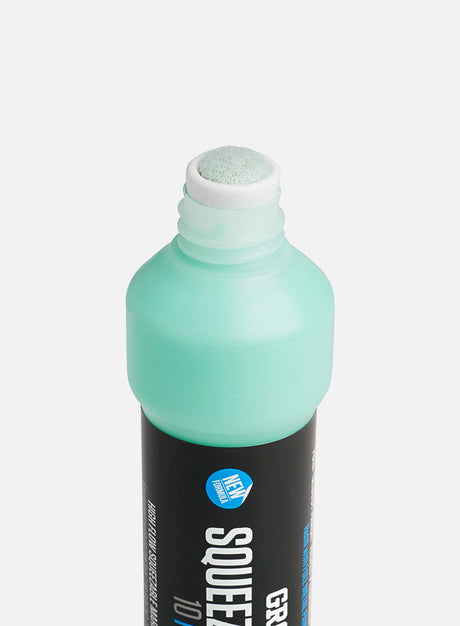
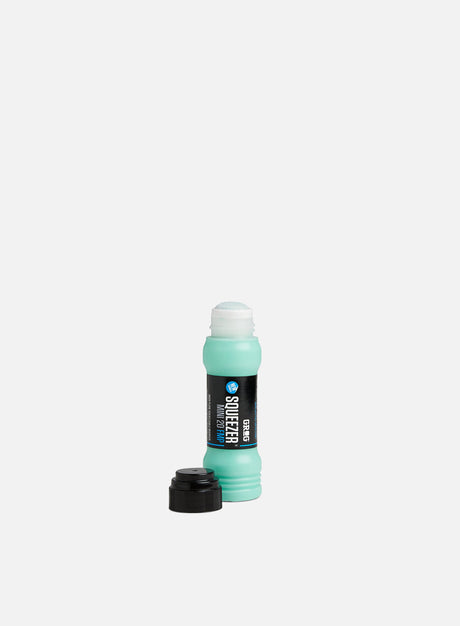
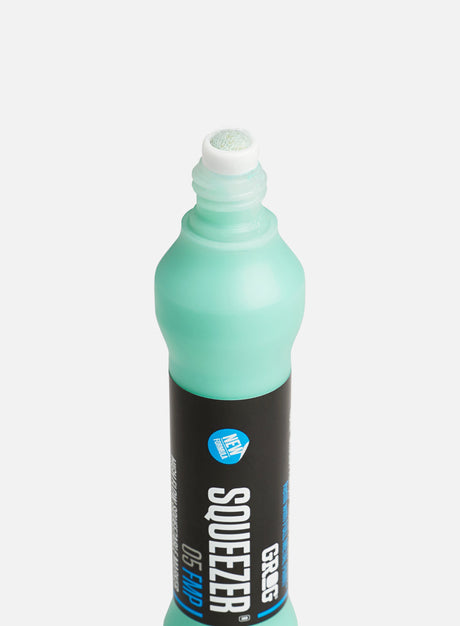
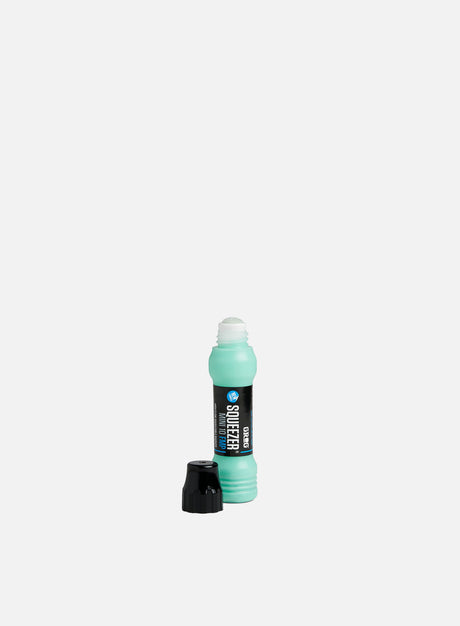
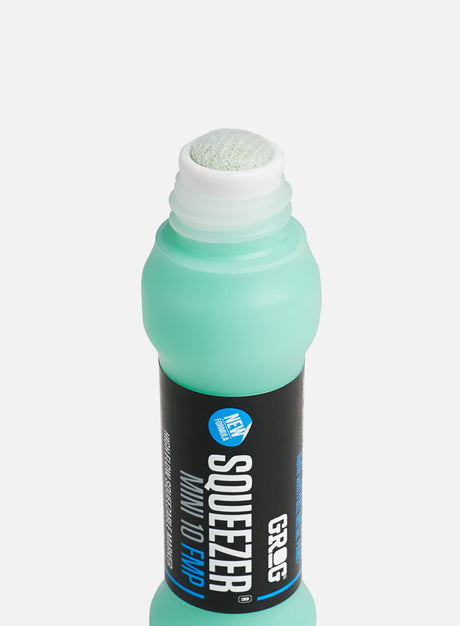
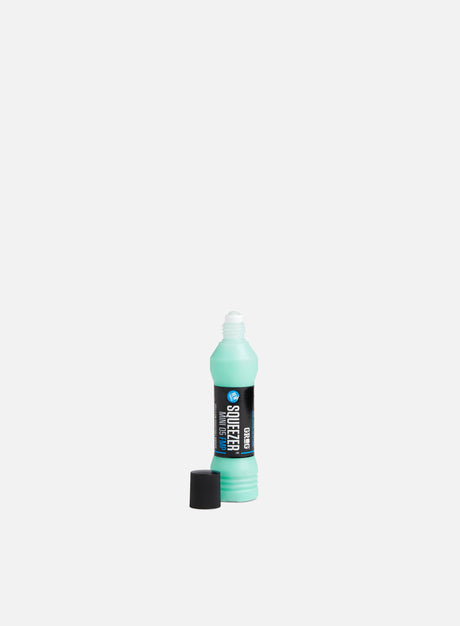
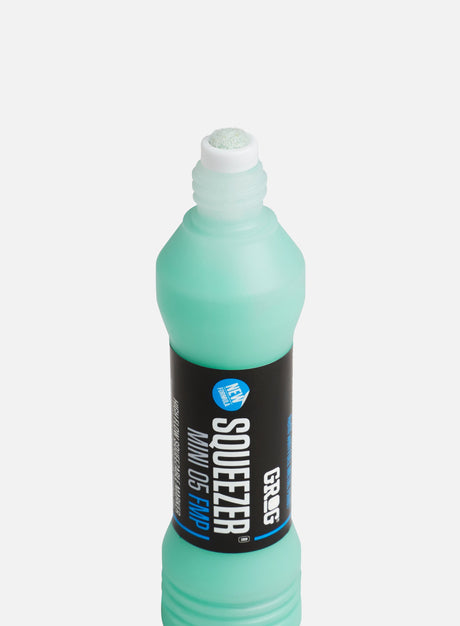
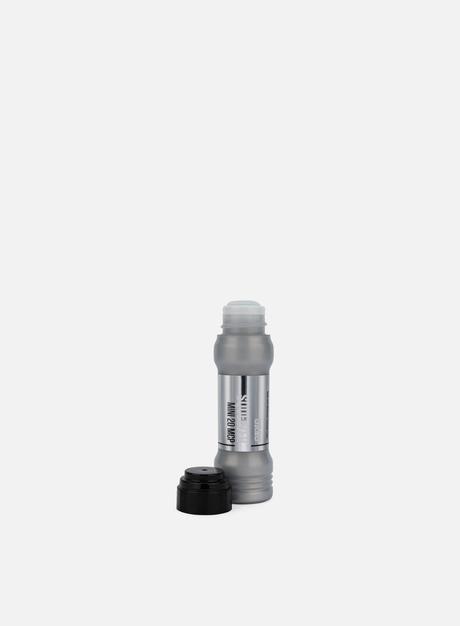
Squeeze markers are engineered for maximum flow. Their architecture is based on a soft, squeezable plastic body that allows the writer to manually control the output. Unlike a valve-action marker, there is no blocking mechanism: hand pressure forces the ink or paint directly into the nib, making squeeze markers true drippy markers ideal for saturated tags with iconic drips. Tools like the Grog Squeezer™ are the benchmark for this style, perfect for those seeking a powerful stroke and an aggressive drippy tags aesthetic.
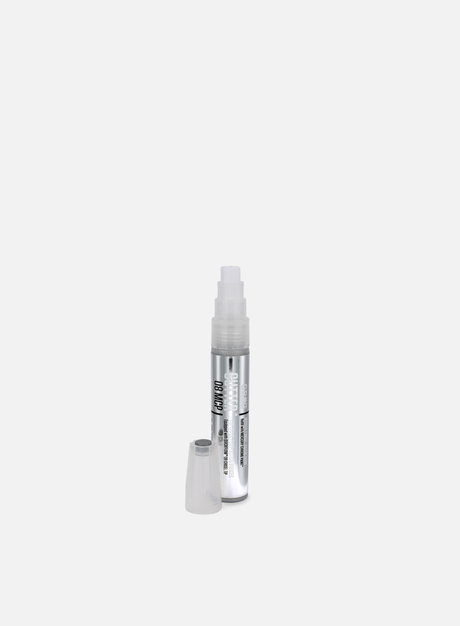
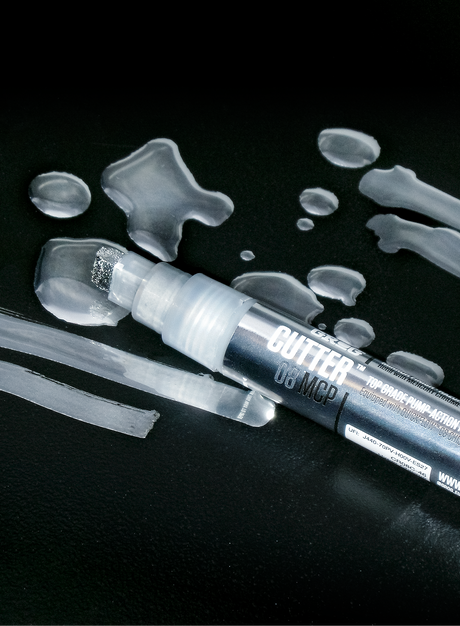
Pump-Action Markers: Valve-Controlled System for Precision Ink Delivery
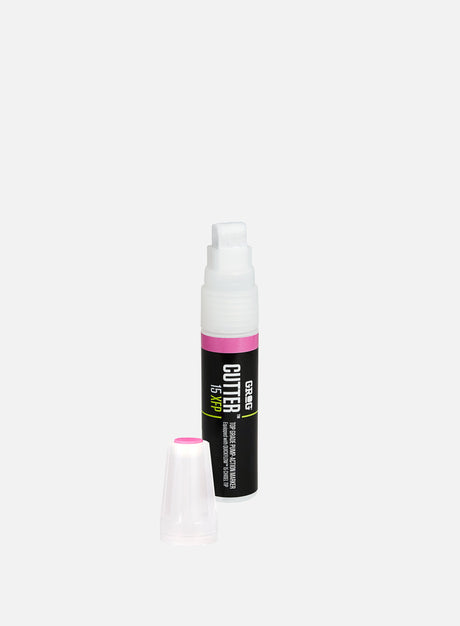
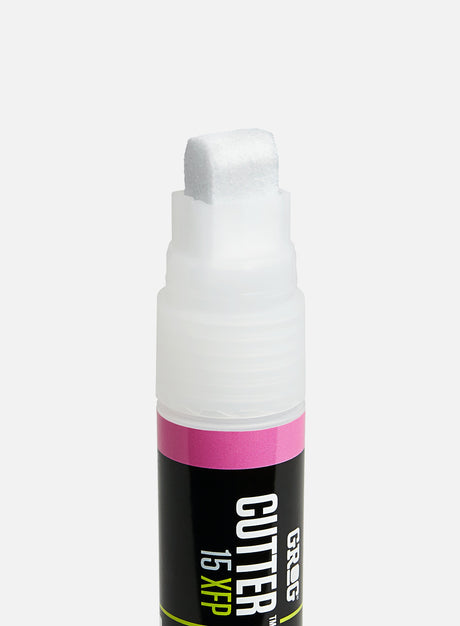
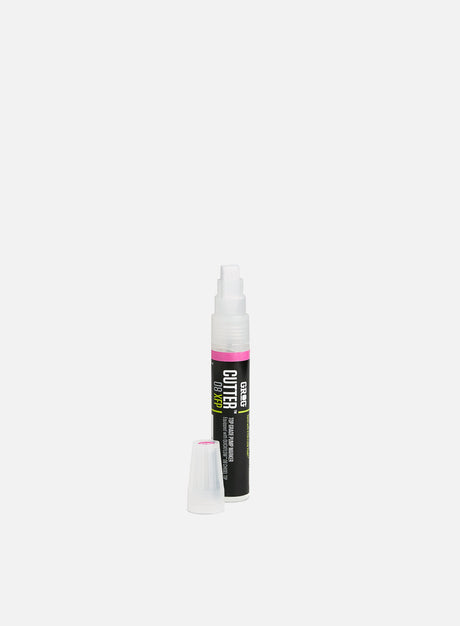
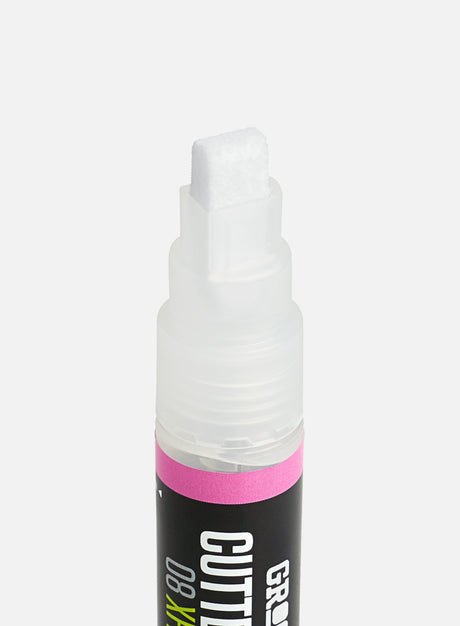
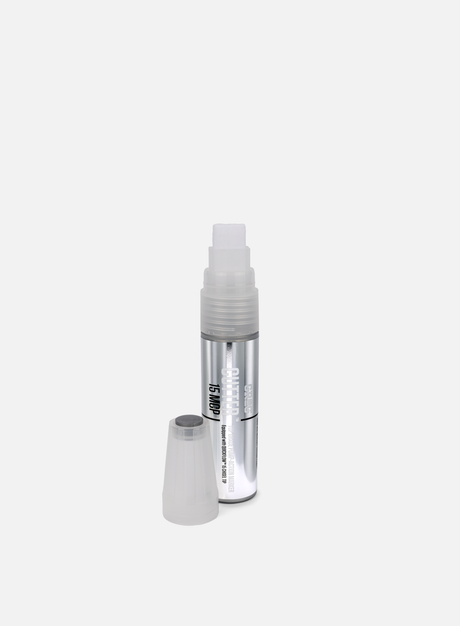
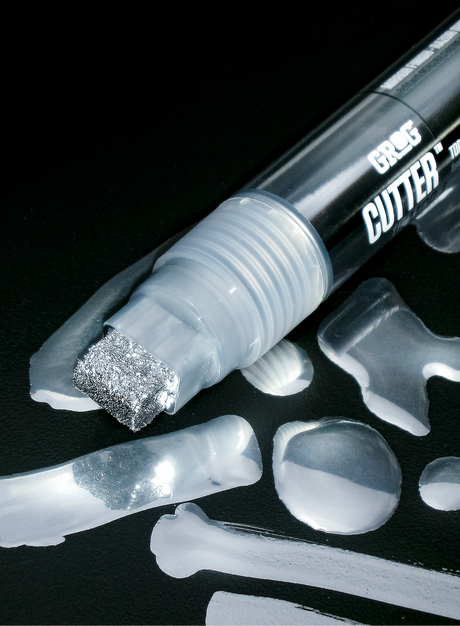
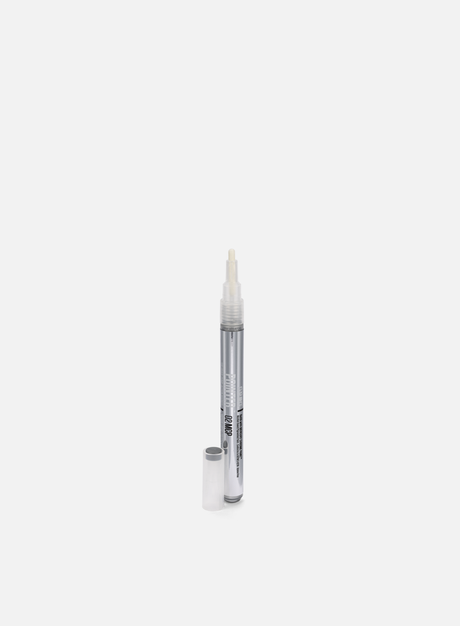
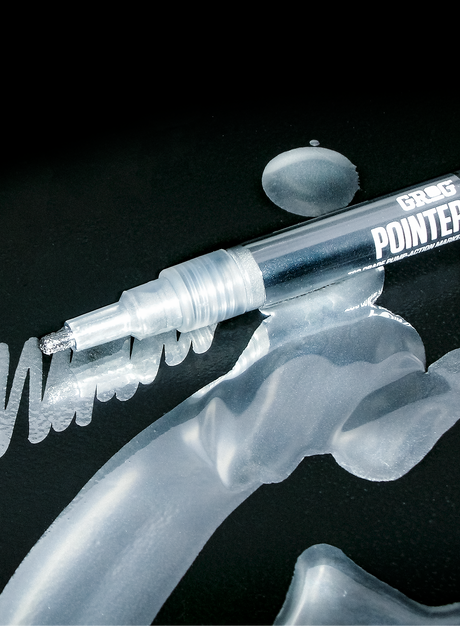
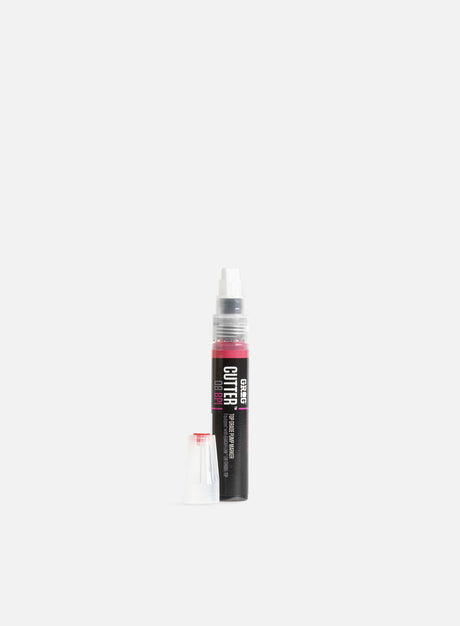
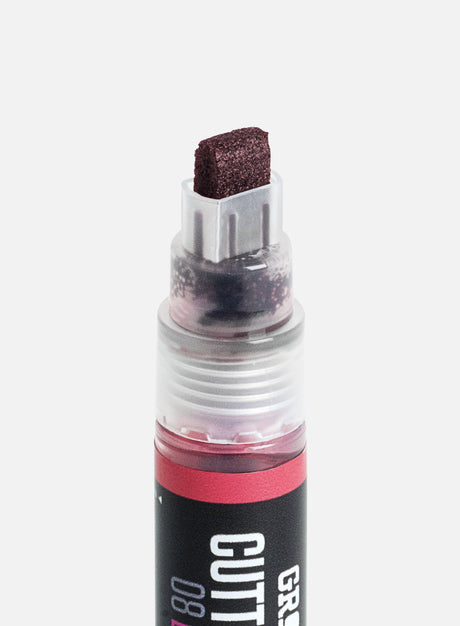
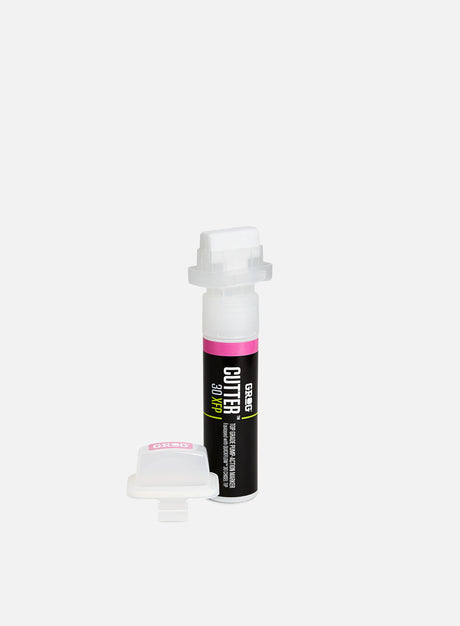
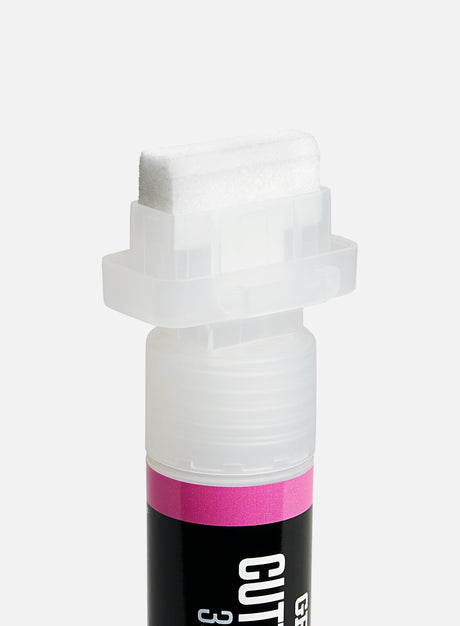
Pump-action markers are the technical opposite of Squeezer™. Designed for precision, they utilize a valve system that regulates the paint flow. Pressing the tip against a surface opens the valve, saturating the felt with a controlled amount of product. This mechanism prevents leaks and ensures a uniform, clean stroke, ideal for detail work and handstyles requiring maximum definition. Valve-tip paint markers like the Grog Cutter™ are the tool of choice for precise outlines and urban calligraphy.
Solid Paint Markers: Industrial Paint-Stick Marking on Any Surface
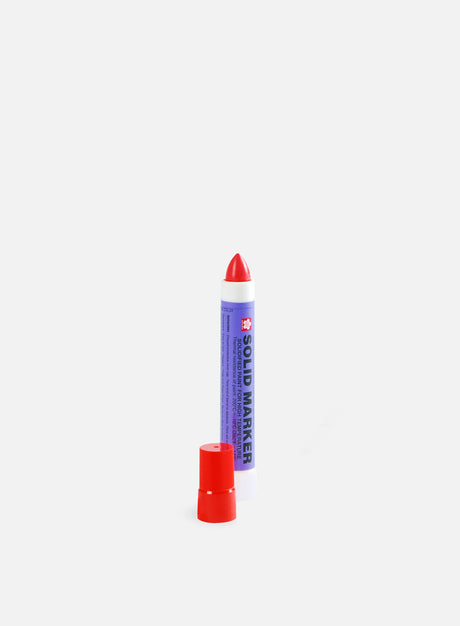
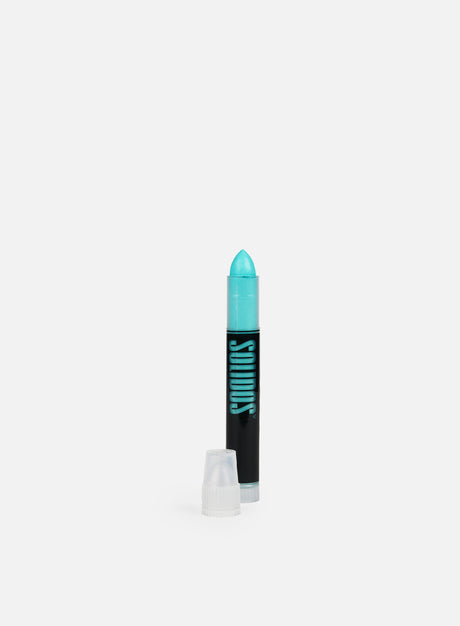
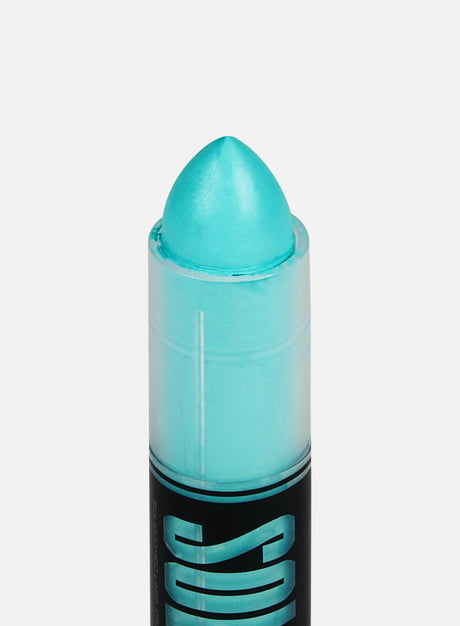
Solid paint markers represent a category of their own. They do not use liquid paint, but rather a stick of solidified paint. The marker writes directly with the material, without needing a felt tip. This architecture offers two unique technical advantages: exceptional adhesion on almost any surface, including rough, dirty, or oily ones; and a textured, raised stroke. Tools like the Sakura Solid Marker are considered industrial markers for their durability and ability to write where traditional markers fail.
Ink vs. Paint: Chemical Composition, Coverage, and Surface Behavior
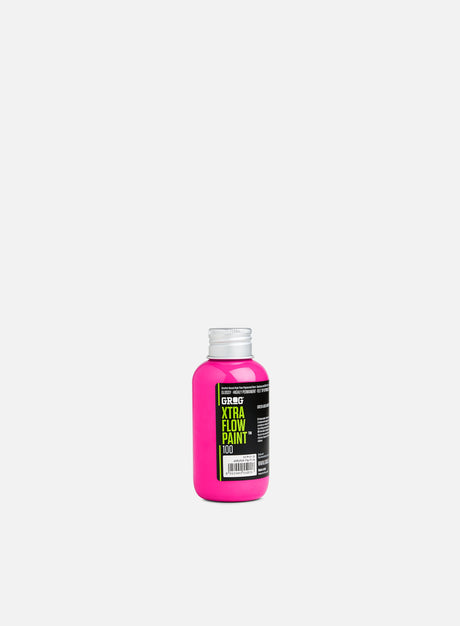
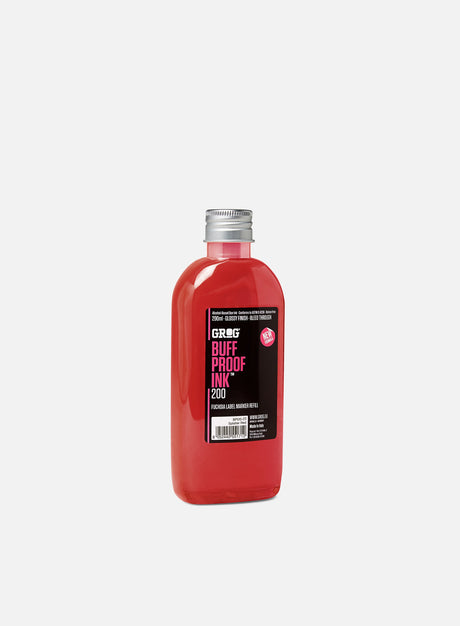
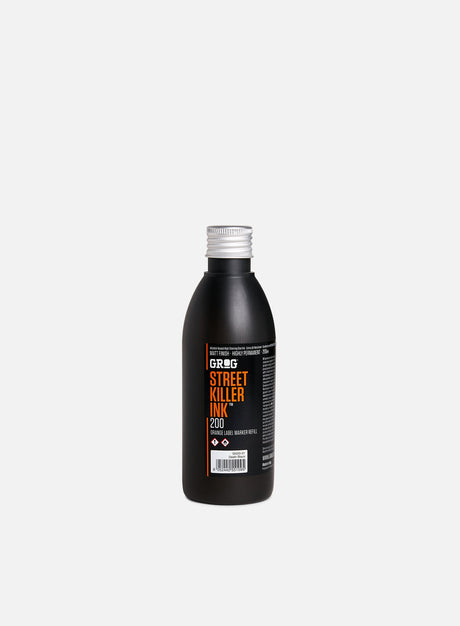
The fundamental technical distinction in marker refills is between ink and paint. Ink markers use a dye-based ink, where colorant molecules are dissolved in a solvent. This allows the ink to penetrate and stain porous surfaces, ensuring high permanence (hard to buff markers) but limited coverage, particularly on dark surfaces when using lighter colors. Paint markers, conversely, use a pigmented paint, with solid color particles suspended in a binder. This creates an opaque film on the surface, ensuring high coverage even on dark backgrounds. This difference in composition dictates how the marker will perform on various surfaces.
Grog, Molotow, & Krink: The Industry-Standard Graffiti Markers
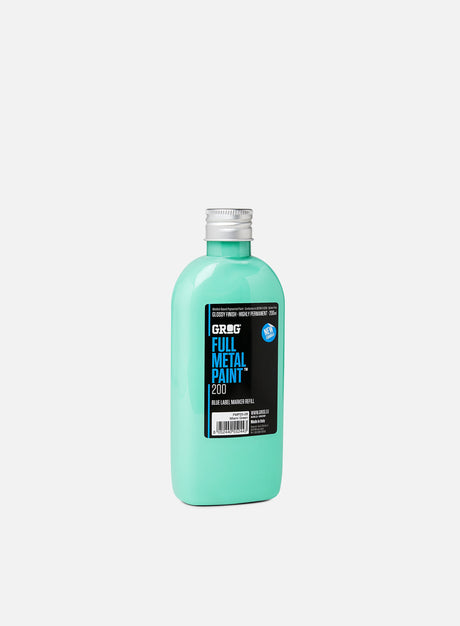
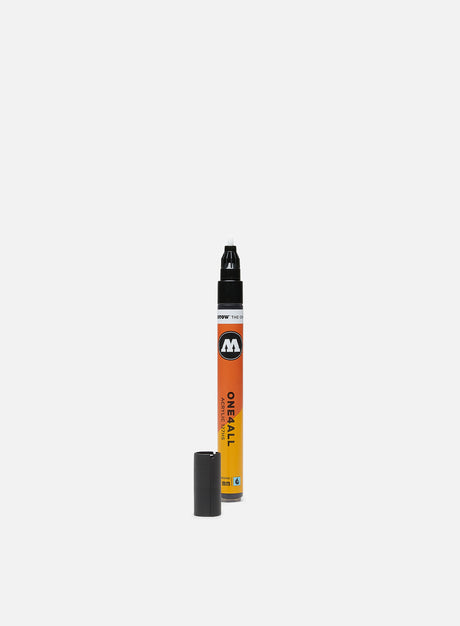
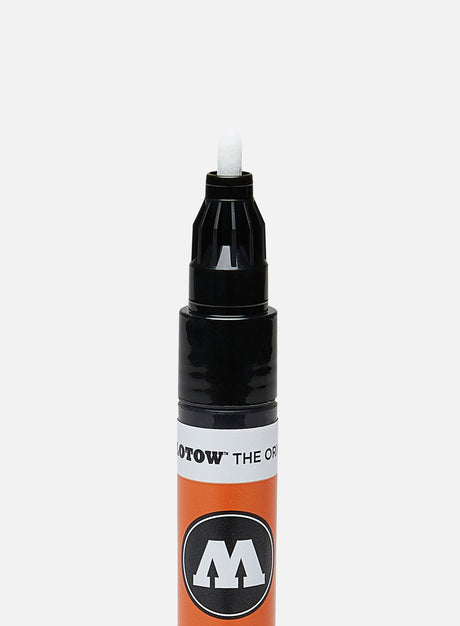
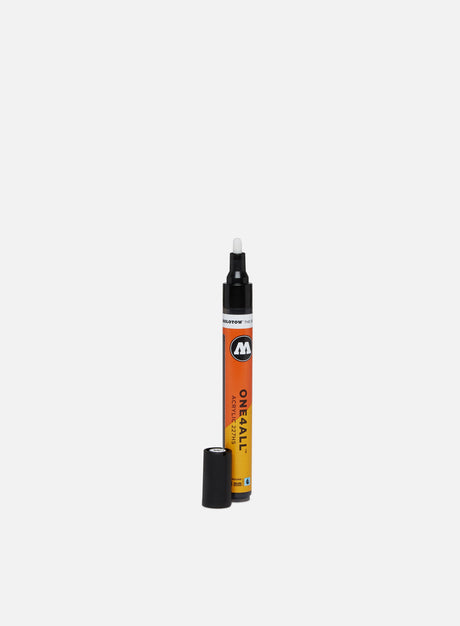
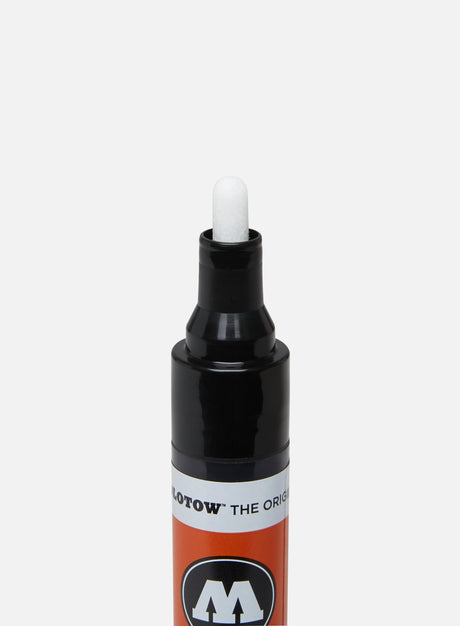
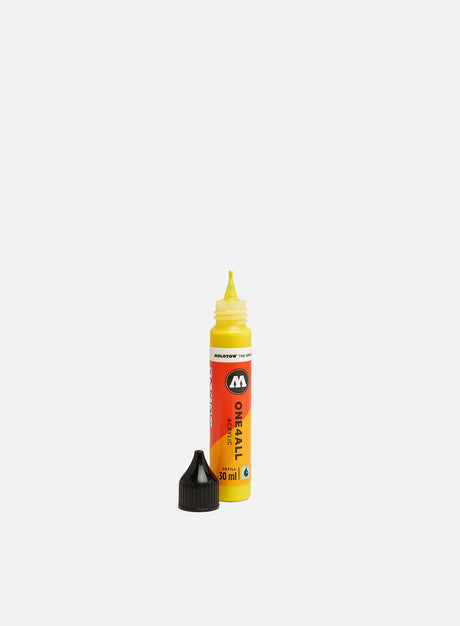
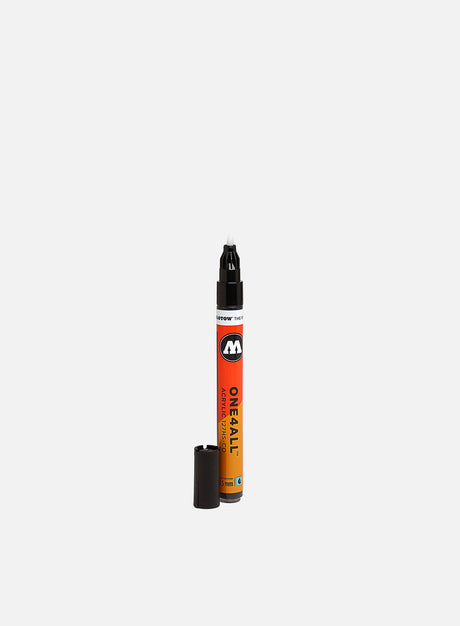
Three brands define the standard for professional tagging tools. Grog is the Italian master of the "Squeezer™ Game," with high-viscosity formulas and a modular system. Molotow, with its One4All line, dominates the acrylic markers segment, offering total versatility between studio and street. Krink, born in NYC from DIY culture, is the icon of premium aesthetics. Each brand offers specific technical solutions, from the Grog Squeezer™ 10 FMP for powerful drips to the Molotow One4All 127 HS for fine details.