A Professional's Selection of High-Coverage Paint Markers
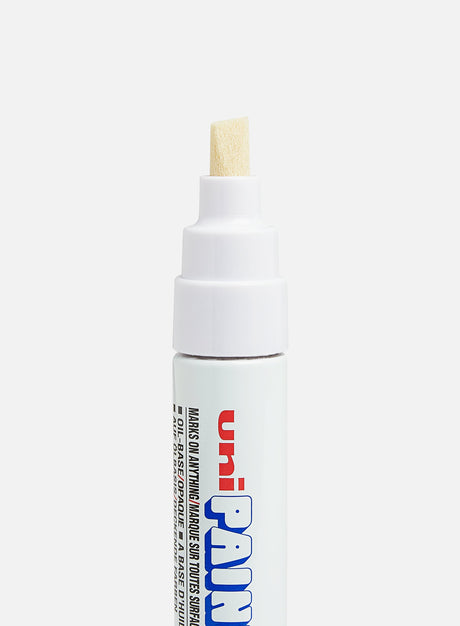
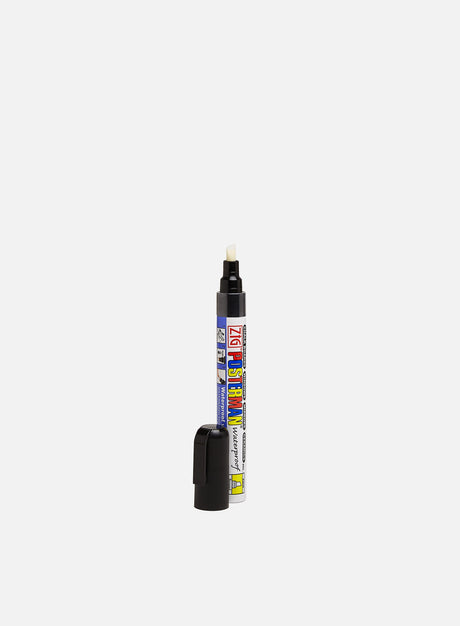
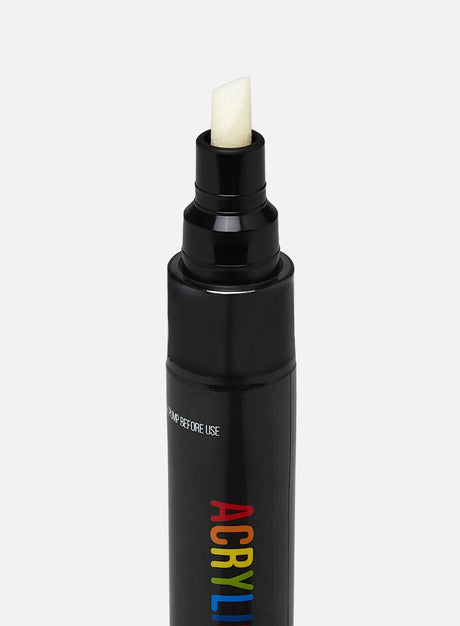
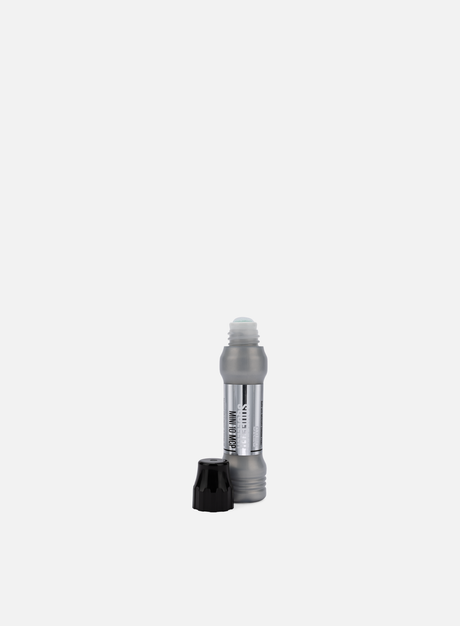
High-Coverage paint markers using pigmented paint are professional tools engineered for marking any surface with superior coverage. The category encompasses several delivery systems, from pump-action paint markers with precision valve mechanisms to high-flow squeezers for aggressive, dripping output. Unlike standard ink-based tools, these instruments are designed to deliver a vibrant, solid line on nearly any substrate, from metal and concrete to plastic.
The Technical Difference: Ink-Based vs. Pigmented Paint Markers
The fundamental technical distinction lies in the chemical composition of the payload. An ink is a dye-based solution where colorant molecules are fully dissolved in a solvent; this allows it to stain porous surfaces but provides limited coverage. Conversely, permanent paint markers use a pigmented formula, where solid color particles are suspended in a binder. When applied, these pigments form a solid, opaque film on top of the surface, completely obscuring what is beneath. This principle of surface adhesion is the technical reason why these tools achieve high coverage on dark surfaces, whereas inks are often translucent.
A Deep Dive into Paint Formulas: Acrylic, Oil, and Solvent-Based
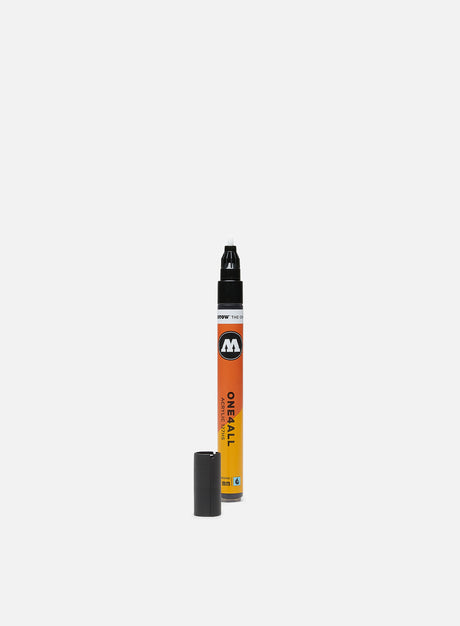
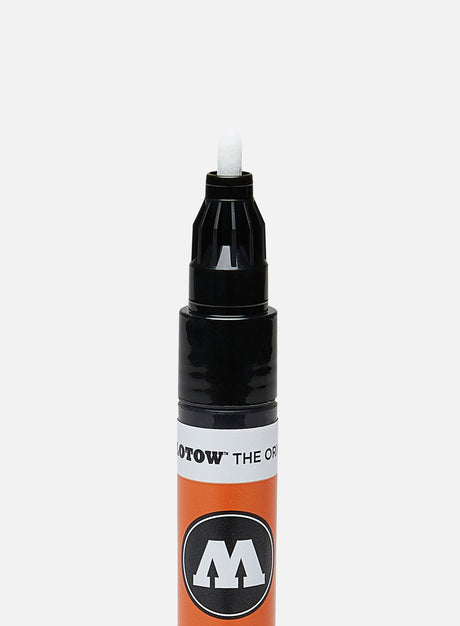
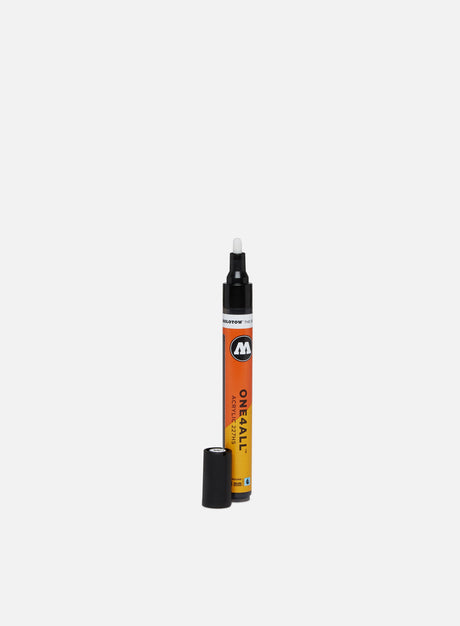
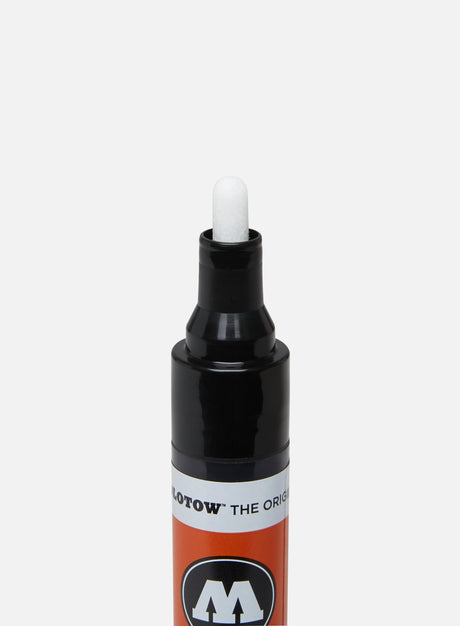
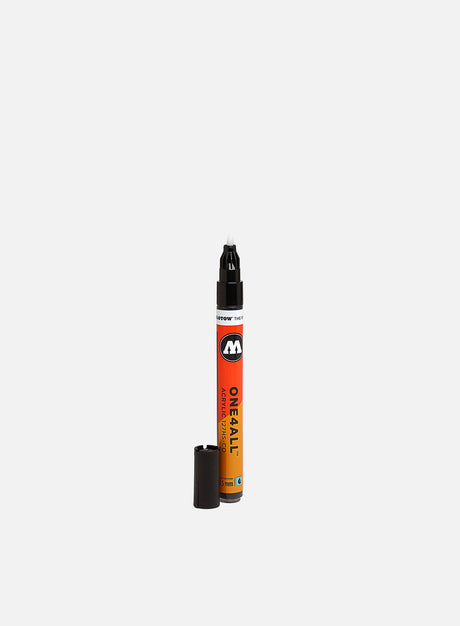
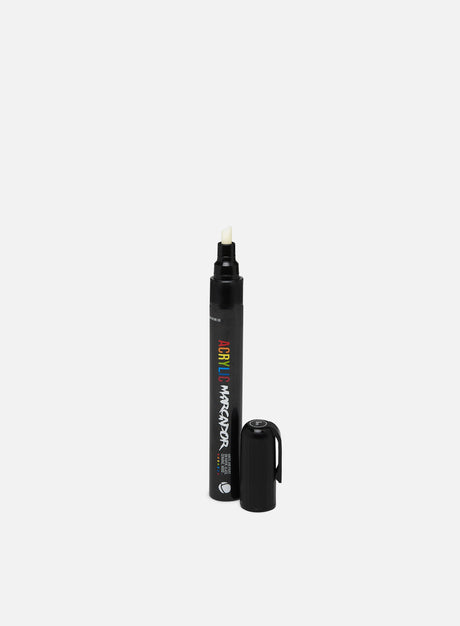
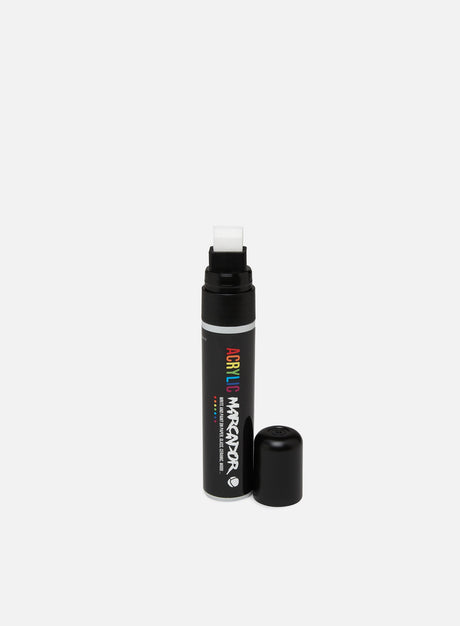
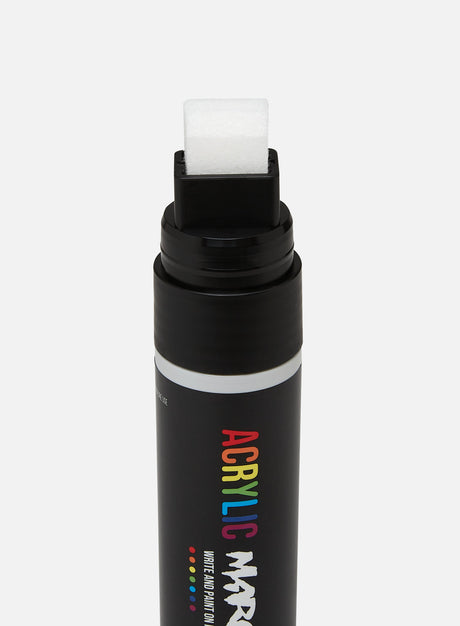
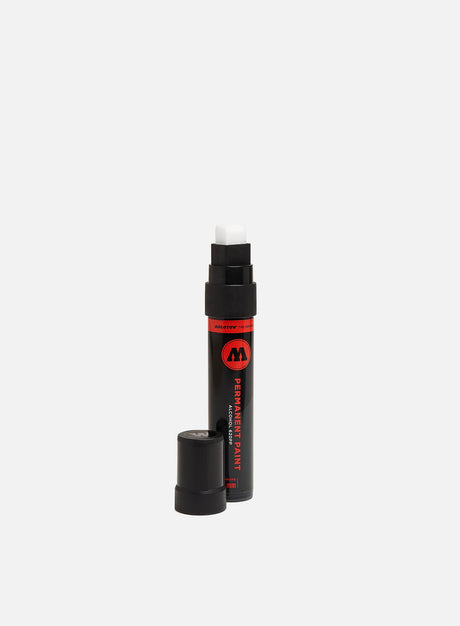
The performance of these instruments is defined by the chemical base of their paint. Oil-based paint markers utilize an oil-based formula that ensures superior durability and a high-gloss, enamel-like finish, though they require a longer curing time. Solvent-based markers, including some Molotow paint marker models, offer rapid drying and aggressive adhesion on nearly all surfaces. Finally, acrylic markers, such as those in the Molotow One4All line, are often water-based, providing a low-odor solution ideal for canvas or studio work, with the added advantage of being workable with brushes while wet.
Grog: The Industry Standard for Professional Paint Markers
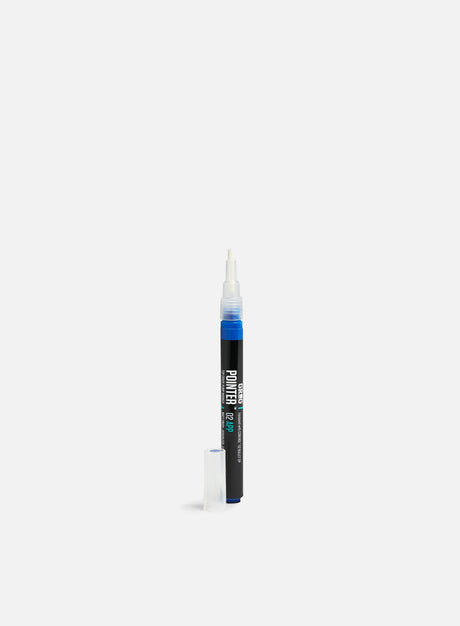
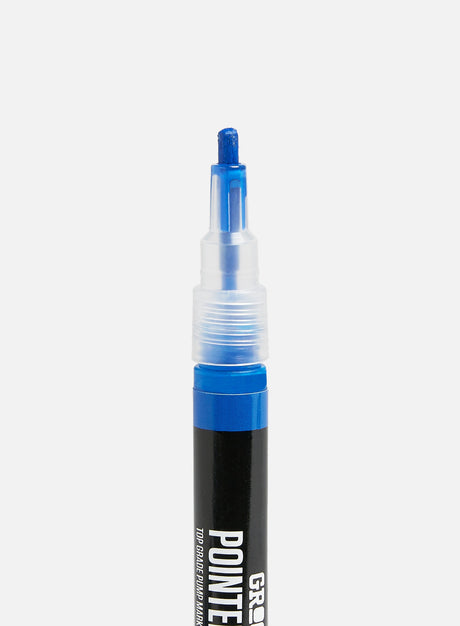
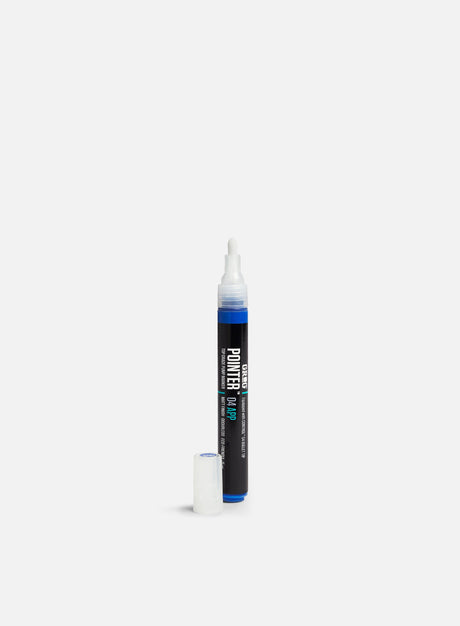
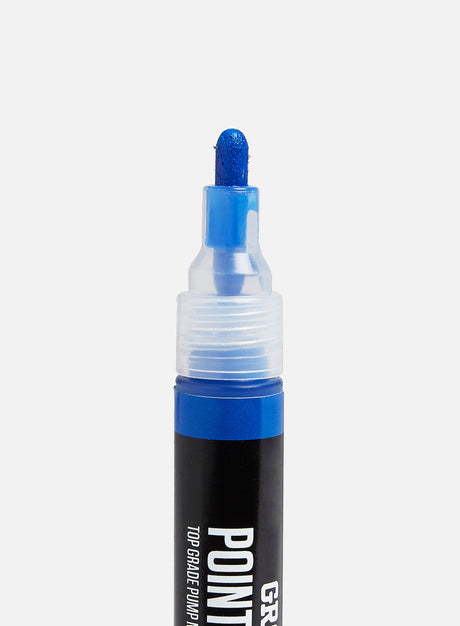
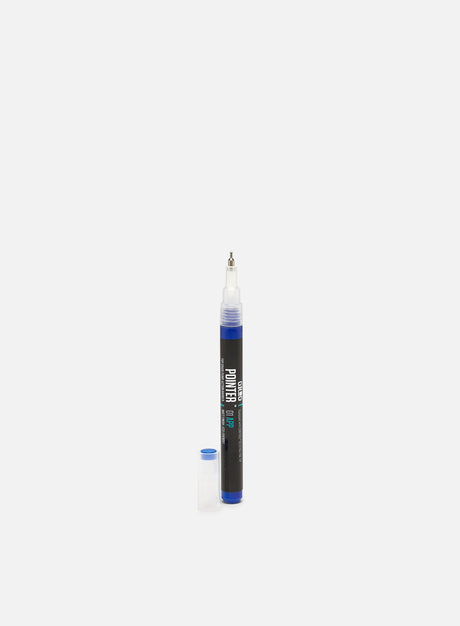
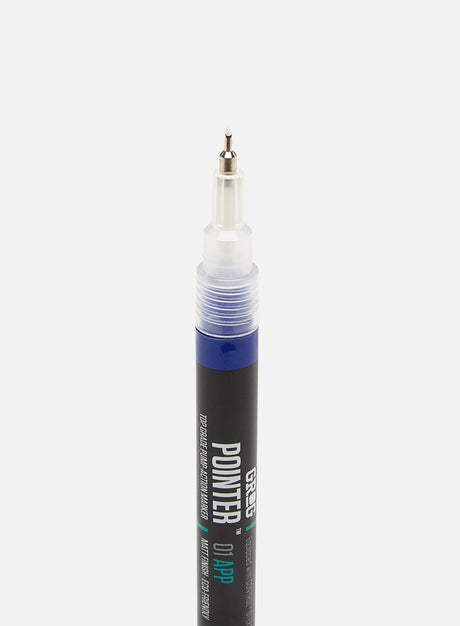
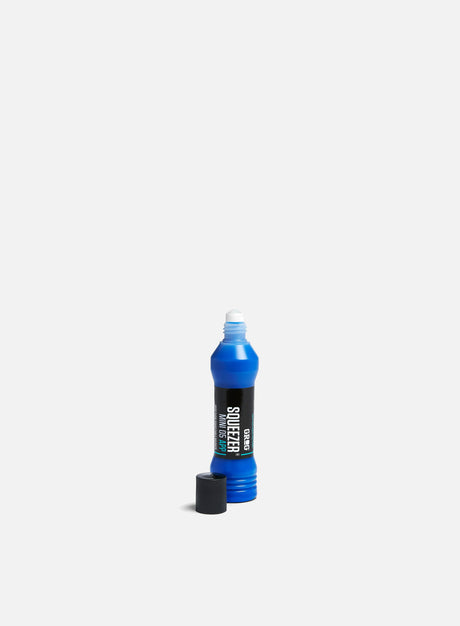
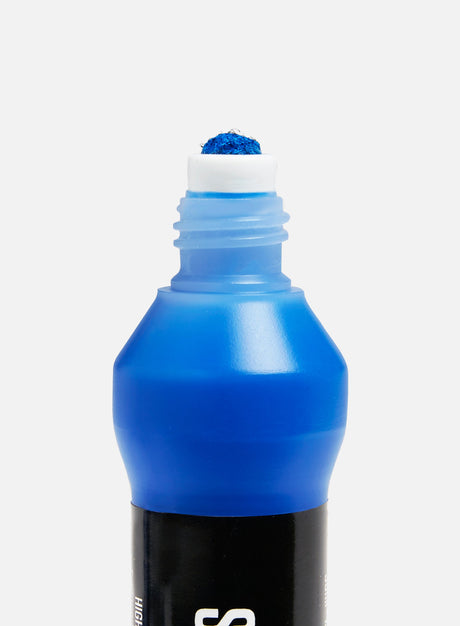
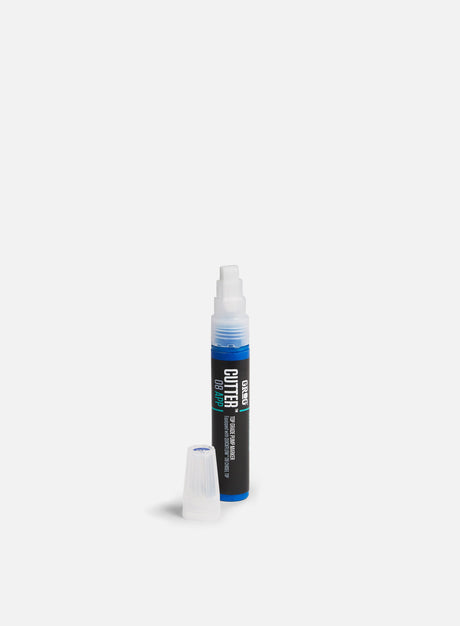
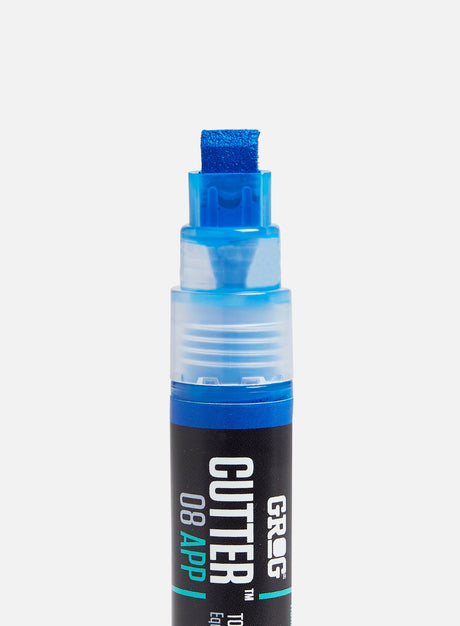
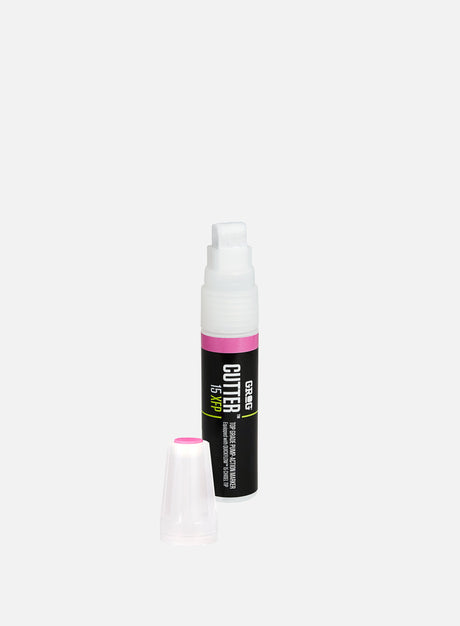
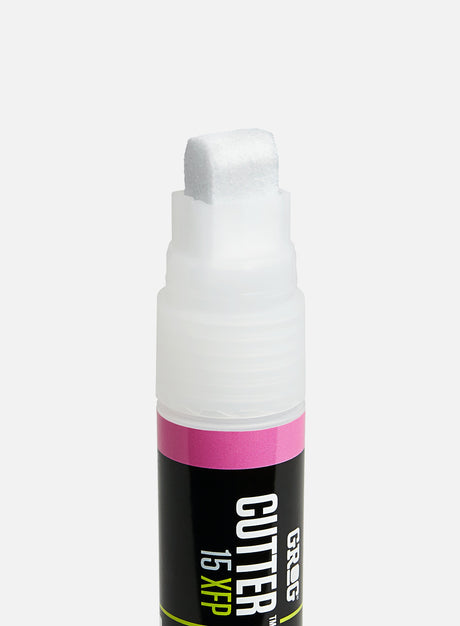
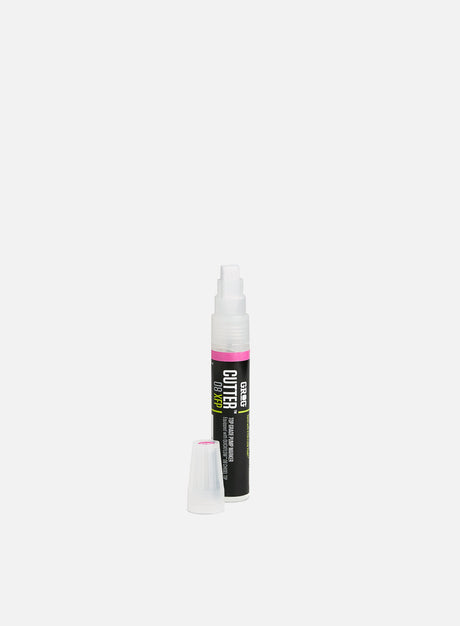
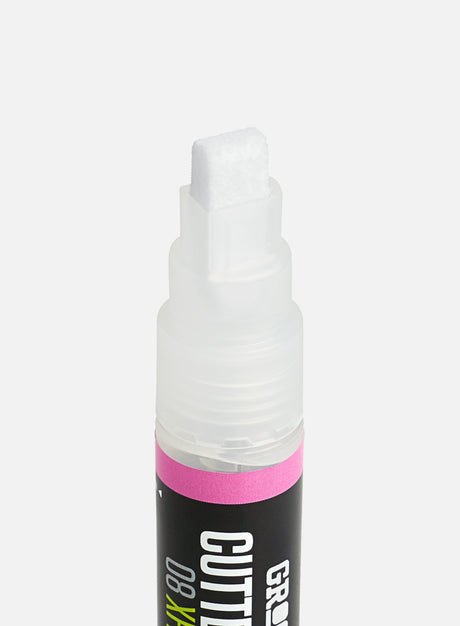
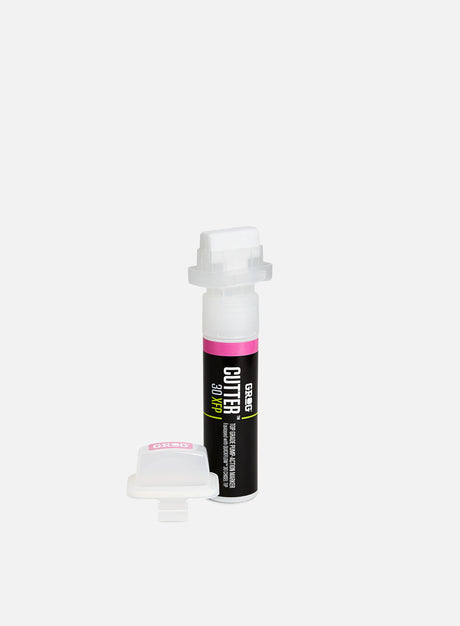
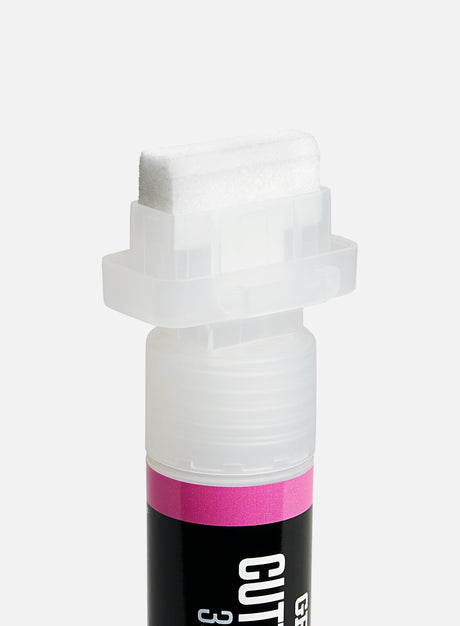
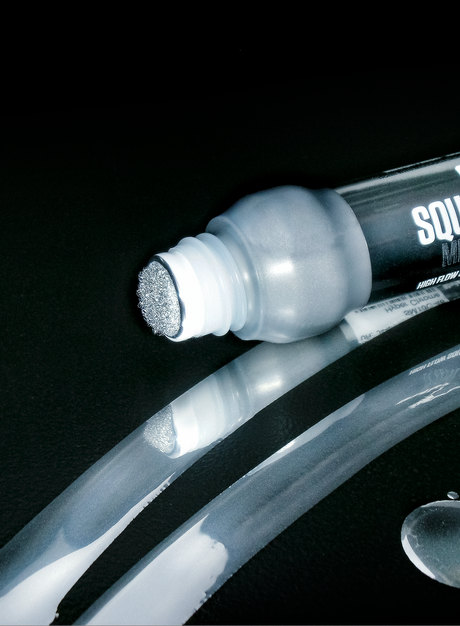
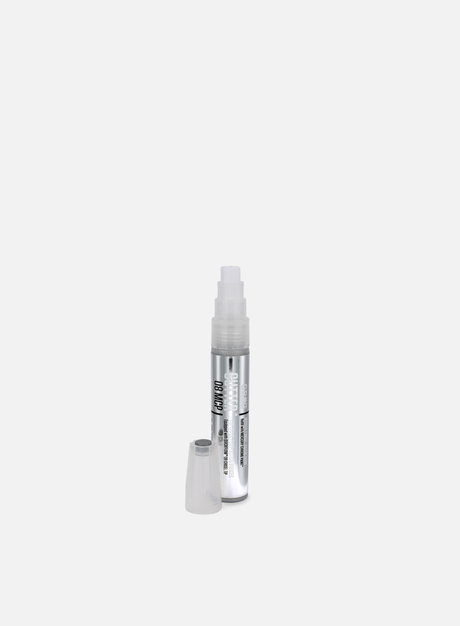
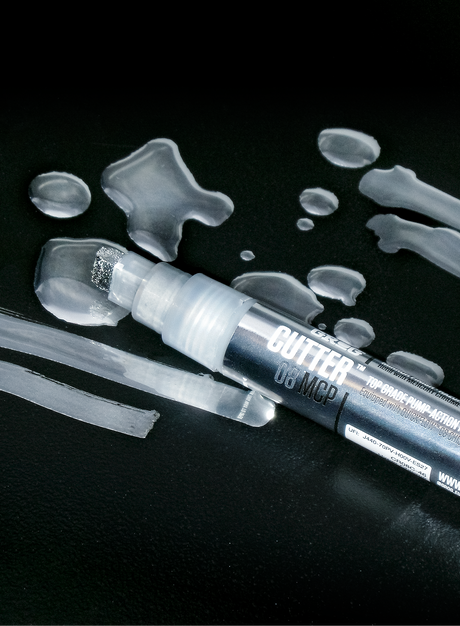
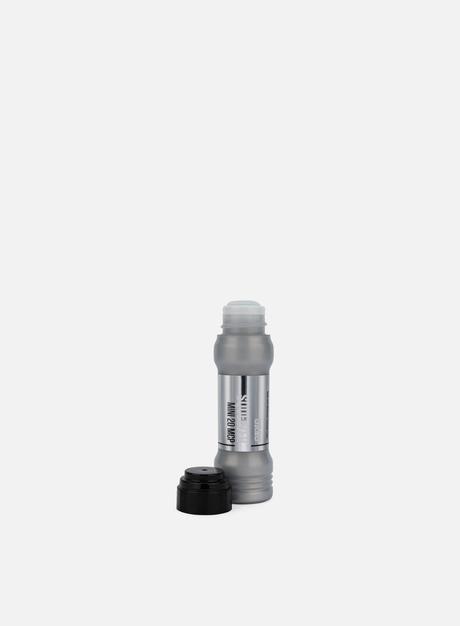
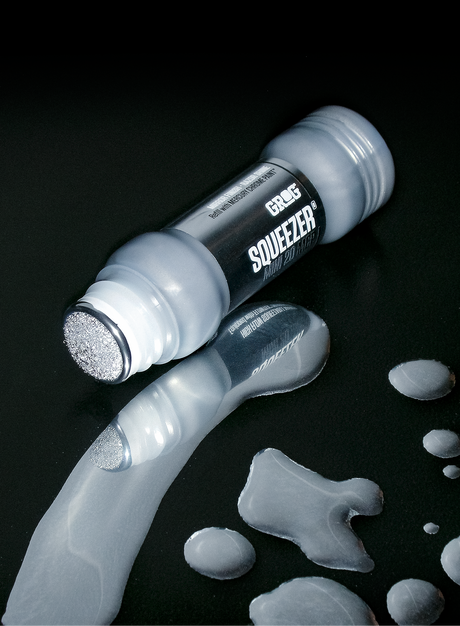
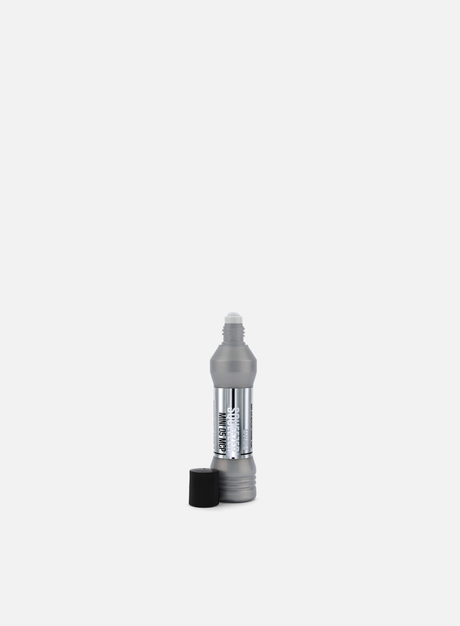
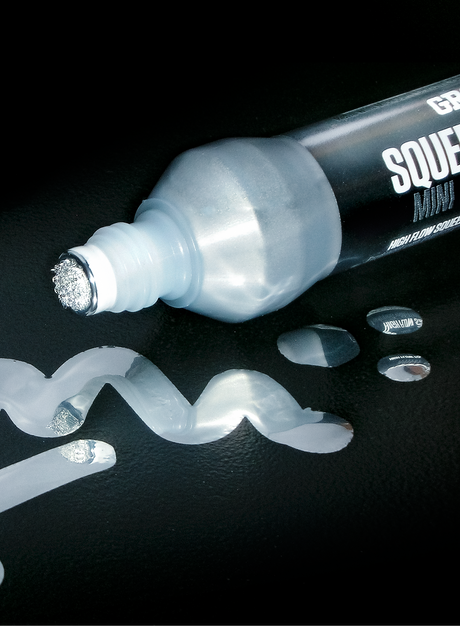
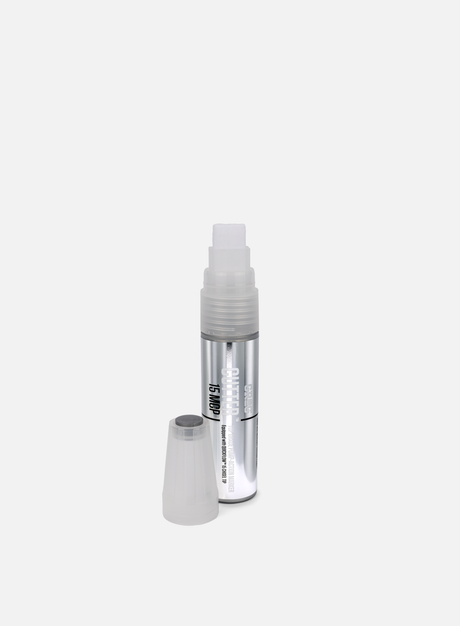
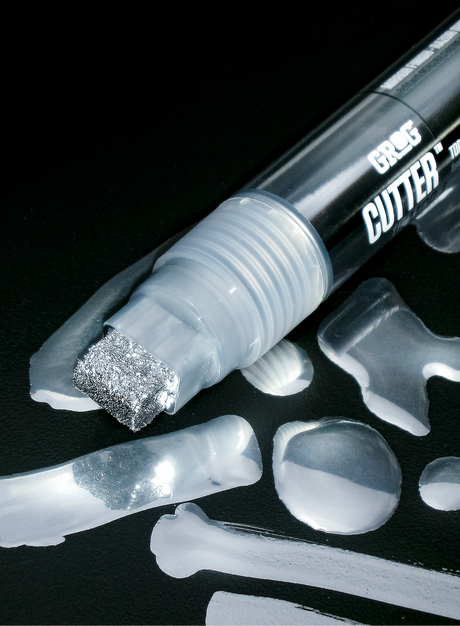
In the world of professional high-coverage paint markers, Grog is a benchmark for performance. The Italian brand specializes in two primary systems: the Grog Squeezer™, engineered for high-flow output and textured drips, and the Grog Cutter™, a valve-action marker for maximum stroke control. The quintessential Grog paint marker is arguably the Grog Squeezer™ 10 FMP, which pairs a squeezable body with a high-viscosity paint, setting the standard for this type of tool. The Grog range offers a specialized solution for nearly every tagging and handstyle application.
The Refillable Ecosystem: Building Your Custom Paint Marker System
Most professional tools in this category are engineered as a refillable system. This design philosophy not only extends the operational life of the tool but also allows for complete customization. The bodies of refillable paint markers are available empty and can be loaded with preferred Marker Refills, enabling the creation of unique color blends. This modularity is fundamental for writers who demand total control over their tools, allowing them to match a specific paint formula to a particular nib and delivery system to achieve a precisely desired effect.
A Rich Selection of Nibs: From Fine Points to Broad Chisel Tips
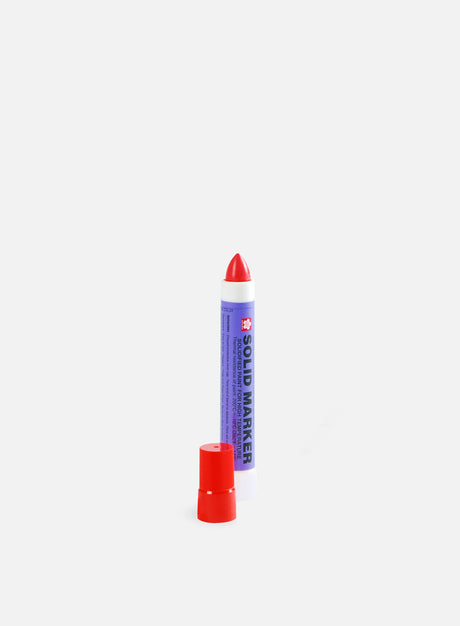
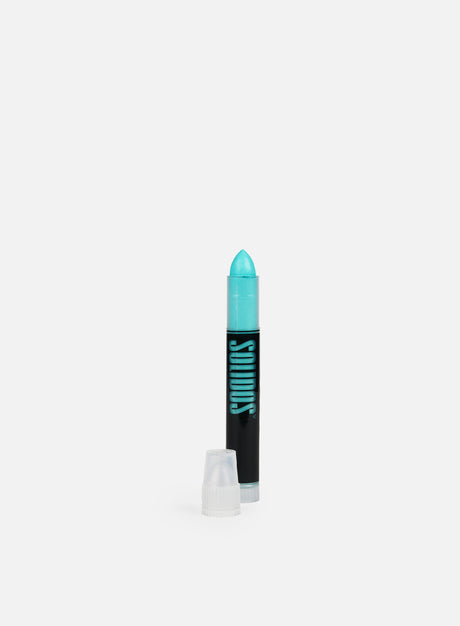
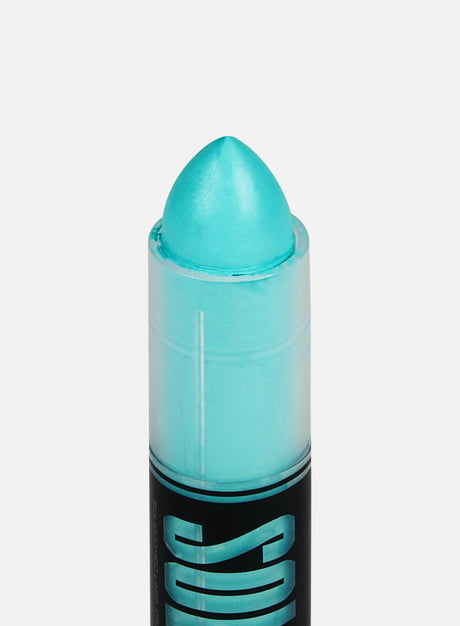
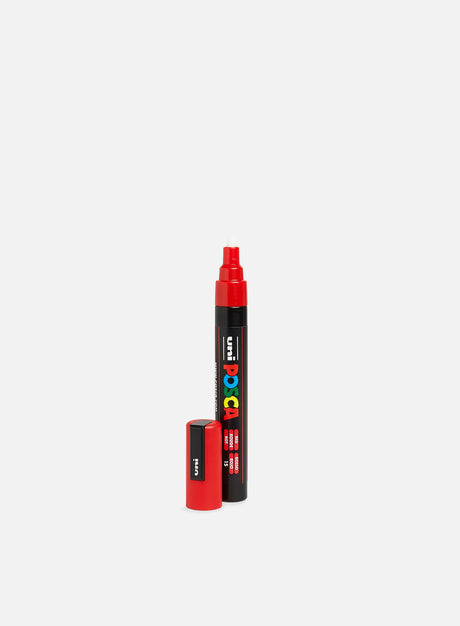
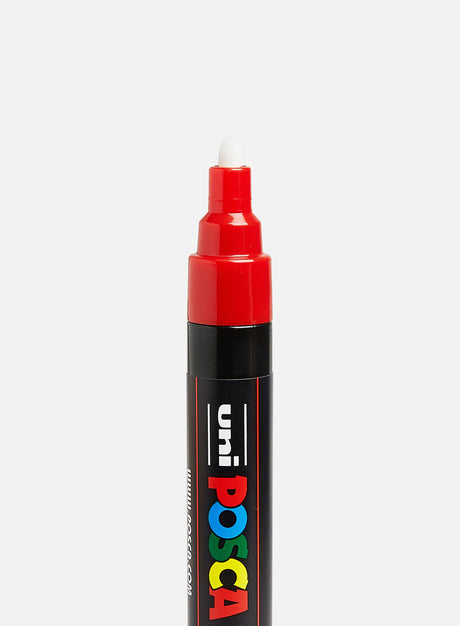
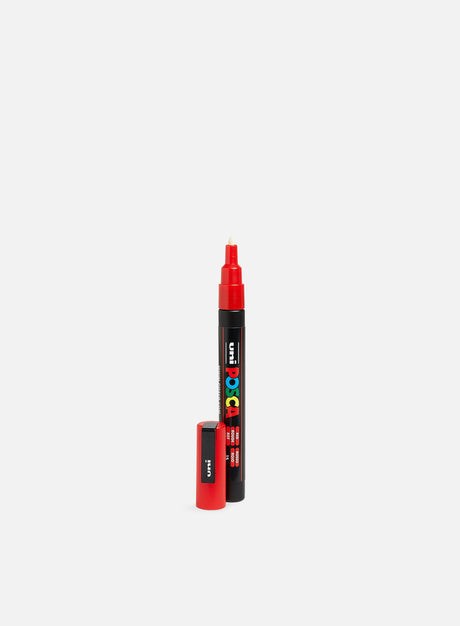
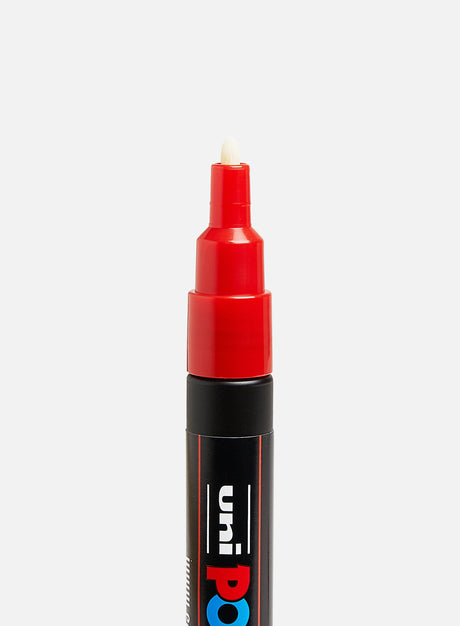
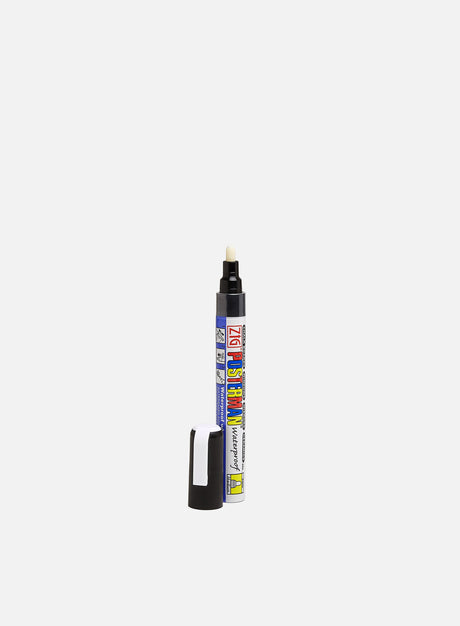
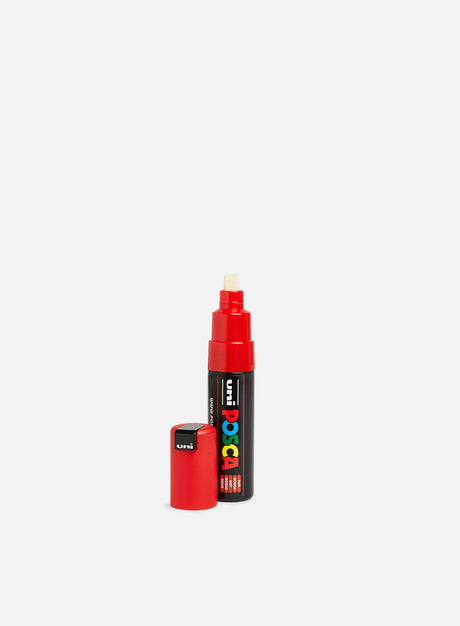
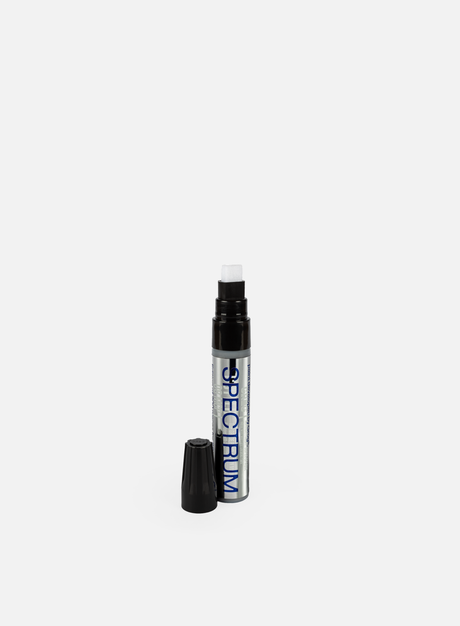
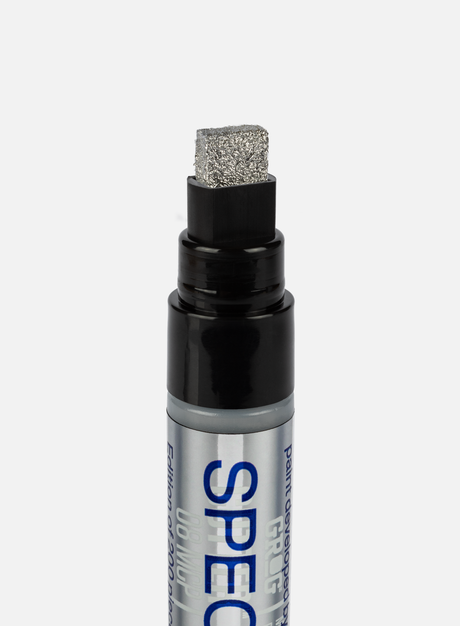
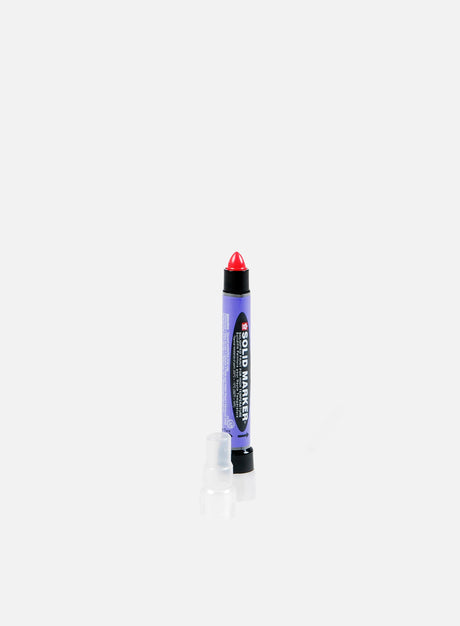
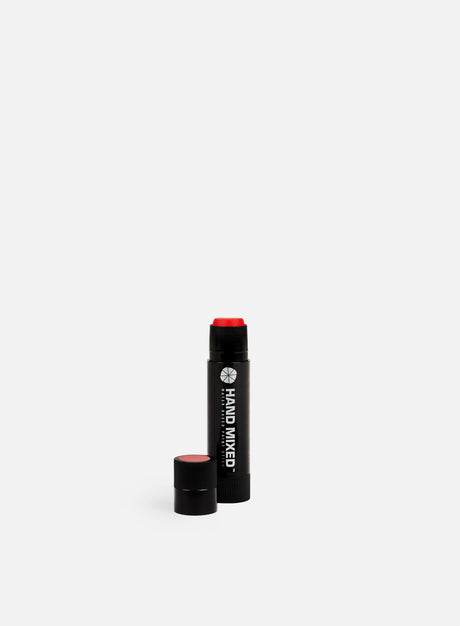
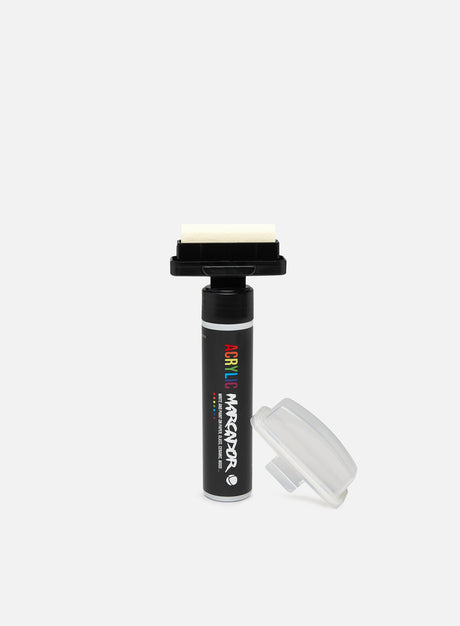
The nib is the final component that dictates the character of the stroke. Chisel tip paint markers are the most versatile, as they allow for stroke width modulation by simply rotating the wrist. Markers with a bullet tip, like the iconic Uni Posca PC 5M, offer a consistent, rounded line. For wide coverage, broad tip paint marker options are available. A distinct category are solid paint markers, such as the Sakura Solid Marker. These are sticks of solidified paint that write directly with the material, ensuring exceptional adhesion and performance on even the most difficult surfaces.


 Sold out